BPC-157 Clinical Research Synthesis (2026)
A consolidated review of preclinical and emerging clinical data on BPC-157, tendon healing, gut barrier, angiogenesis, neuroprotection and dosing windows used across studies.
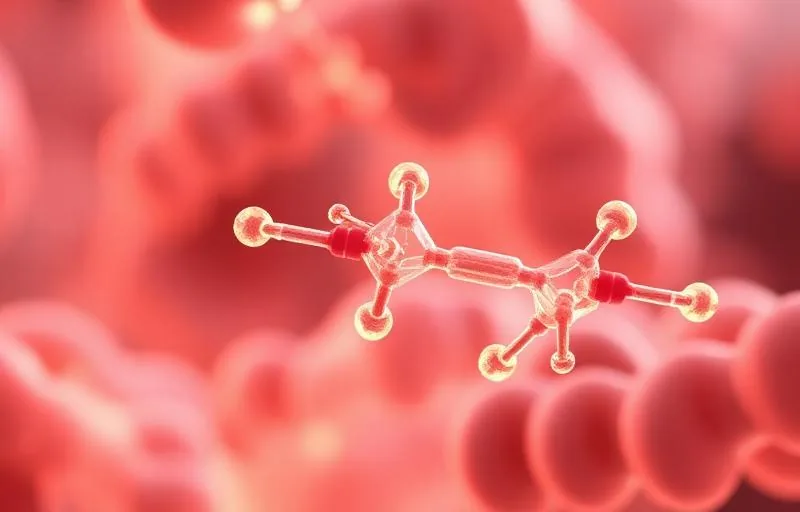
BPC-157 (Body Protection Compound 157) is a synthetic pentadecapeptide derived from a fragment of human gastric juice protein. It has accumulated more than two decades of preclinical literature. This synthesis pulls the key findings into one place.
Mechanism Snapshot
- •Upregulates VEGFR2 signaling, drives angiogenesis (Hsieh et al., 2017).(1)
- •Modulates the nitric oxide (NO) pathway, restoring endothelial function in stress models.
- •Stabilizes growth hormone receptor expression in tendon fibroblasts (Chang et al., 2014).(2)
- •Influences the dopaminergic and serotonergic systems in CNS injury models.
Tendon and Ligament Healing
The most cited body of work. Rat Achilles transection studies show accelerated tenocyte outgrowth, collagen organization, and tensile recovery at doses of 10 mcg/kg intraperitoneally. Multiple replications across labs (Krivic, Staresinic, Cerovecki) confirm the effect.(3)
Gastrointestinal Protection
BPC-157 protects against:
- •NSAID-induced gastric lesions
- •Cysteamine duodenal ulcers
- •Inflammatory bowel disease models (DSS colitis)
The protective dose window in rodents is broad (10 ng/kg to 10 mcg/kg), suggesting receptor-independent stabilization of the gut mucosal barrier.
Angiogenesis and Wound Repair
Microvascular network formation is consistently faster in BPC-157-treated animals. The VEGFR2 → eNOS axis appears central. Skin wound, muscle crush, and burn models all show accelerated closure.
Neuroprotection
Encouraging data in:
- •Traumatic brain injury (cortical and hippocampal preservation)
- •Spinal cord compression
- •MPTP-induced Parkinsonian models
Mechanistically tied to dopamine system stabilization and counteracting glutamate excitotoxicity.
Human Data, Current State
As of 2026, published peer-reviewed human RCTs are still extremely limited. Anecdotal clinical use is widespread among sports medicine practitioners, but rigorous Phase II/III data does not yet exist. This is the single largest evidence gap.
Dosing Patterns Used in Research
| Model | Route | Dose range |
|---|---|---|
| Rodent tendon | IP | 10 ng – 10 mcg/kg |
| Rodent GI | Oral / IP | 10 ng – 10 mcg/kg |
| In-vitro tenocyte | Cell culture | 0.1 – 1 mcg/mL |
For research only. Dose extrapolation from rodent to other species is non-trivial.
Open Questions
- •Long-term safety in humans
- •Pharmacokinetics of oral vs subcutaneous in primates
- •Whether systemic effects survive first-pass metabolism
For the original studies, search PubMed using "BPC 157" and "Sikiric P", the Zagreb group has published the majority of foundational work.
Mechanism Overview
BPC-157 is a 15-amino-acid partial sequence derived from a stable protective peptide found in human gastric juice. Preclinical work suggests three converging mechanisms: upregulation of VEGFR-2 (driving angiogenesis in tendon and muscle), modulation of the nitric oxide pathway, and enhancement of growth-hormone receptor expression in injured tissue. These mechanisms are consistent across rodent models of Achilles transection, colitis, and blood-vessel occlusion.
Dosing Ranges Reported in Literature
Rodent studies typically use 10 µg/kg intraperitoneal or oral dosing once daily for 7–21 days. Human research remains limited to small pilot work, and no human dosing standard exists in the peer-reviewed literature. This article does not provide, and this range does not constitute, dosing or administration guidance of any kind, BPC-157 is not FDA-approved for human use.
Route Considerations
Subcutaneous and intraperitoneal routes dominate the literature. Oral bioavailability is a topic of active research: the peptide's stability in gastric acid is reportedly higher than most peptides due to its parent sequence's evolutionary role in the stomach, but systemic exposure via oral administration remains poorly quantified.
Open Research Questions for 2026
- •Long-term safety beyond 30-day dosing windows
- •Whether the angiogenic effect promotes unwanted vascularization in non-target tissue
- •Pharmacokinetic parameters (half-life, Cmax, clearance) in humans
- •Standardization of purity thresholds for research-grade material
Frequently Asked Questions
What is BPC-157 derived from?
BPC-157 is a synthetic 15-amino-acid fragment of a larger protective peptide originally isolated from human gastric juice.
Is BPC-157 approved for human use?
No. BPC-157 is not approved by the FDA for any human indication. All published work is preclinical or small-scale exploratory research.
What are the most-studied outcomes in animal models?
Tendon-to-bone healing, gastrointestinal ulcer repair, and blood-vessel regeneration after ischemic injury.
How stable is BPC-157 in solution?
Reconstituted BPC-157 in bacteriostatic water is typically reported as stable for 14–28 days when refrigerated at 2–8 °C and protected from light.
Where can I read the primary studies?
The Sikiric group at the University of Zagreb has published the majority of preclinical BPC-157 papers; searches on PubMed for "BPC-157" return the core body of literature.
References
- Hsieh MJ, Liu HT, Wang CN, et al. Therapeutic potential of pro-angiogenic BPC157 is associated with VEGFR2 activation and up-regulation. J Mol Med (Berl). 2017 Mar;95(3):323-333. PMID: 27847966.
- Chang CH, Tsai WC, Hsu YH, Pang JH. Pentadecapeptide BPC 157 enhances the growth hormone receptor expression in tendon fibroblasts. Molecules. 2014 Nov 19;19(11):19066-77. PMID: 25415472.
- Krivic A, Anic T, Seiwerth S, Huljev D, Sikiric P. Achilles detachment in rat and stable gastric pentadecapeptide BPC 157: Promoted tendon-to-bone healing and opposed corticosteroid aggravation. J Orthop Res. 2006 May;24(5):982-9. PMID: 16583442.
Disclaimer: This article is provided for scientific, research, and educational purposes only. It is not medical advice and is not intended to guide human or animal use of any substance. The compounds discussed are research materials, are not FDA-approved for human use, and are not for consumption. References are to published research and regulatory sources; consult a qualified professional for any health decision. See also our Editorial & Medical Disclaimer and Research Use Only Disclaimer.
Ready to Explore Peptides?
Browse our catalog or use the calculator for instant pricing.