Peptide Storage & Reconstitution: A Complete Handling Guide
How to store, reconstitute, and handle research peptides without degrading them. The simple rules that protect your investment and your data.
You can buy the purest peptide on the market and still ruin it in your fridge. Peptide storage and reconstitution is the single most under-discussed step in research, and it's where a lot of "this peptide didn't work" outcomes actually originate.
This is the practical guide.
Lyophilized vs. Reconstituted: Two Very Different Shelf Lives
Lyophilized (freeze-dried) powder is the form your peptide ships in. Stored properly, most peptides remain stable for 18 to 24 months.
Reconstituted (mixed with liquid) peptide is far less stable. Even with bacteriostatic water, most peptides should be used within 28 to 30 days once mixed.
This is why reputable suppliers (including Enlife Peptides) ship lyophilized, not pre-mixed. Anyone selling "ready-to-use" liquid peptides shipped at room temperature is selling a degraded product.
Storing Lyophilized Peptides
- •Under 30 days: room temperature, cool and dark, is fine for short transit
- •30 days to 6 months: refrigerate at 2-8°C (standard storage)
- •6 months or longer: freeze at -20°C or colder for archival storage
Keep vials in their original packaging or a sealed opaque container. Light, heat, and moisture are the three main enemies.
Reconstitution: The Right Way
You'll need:
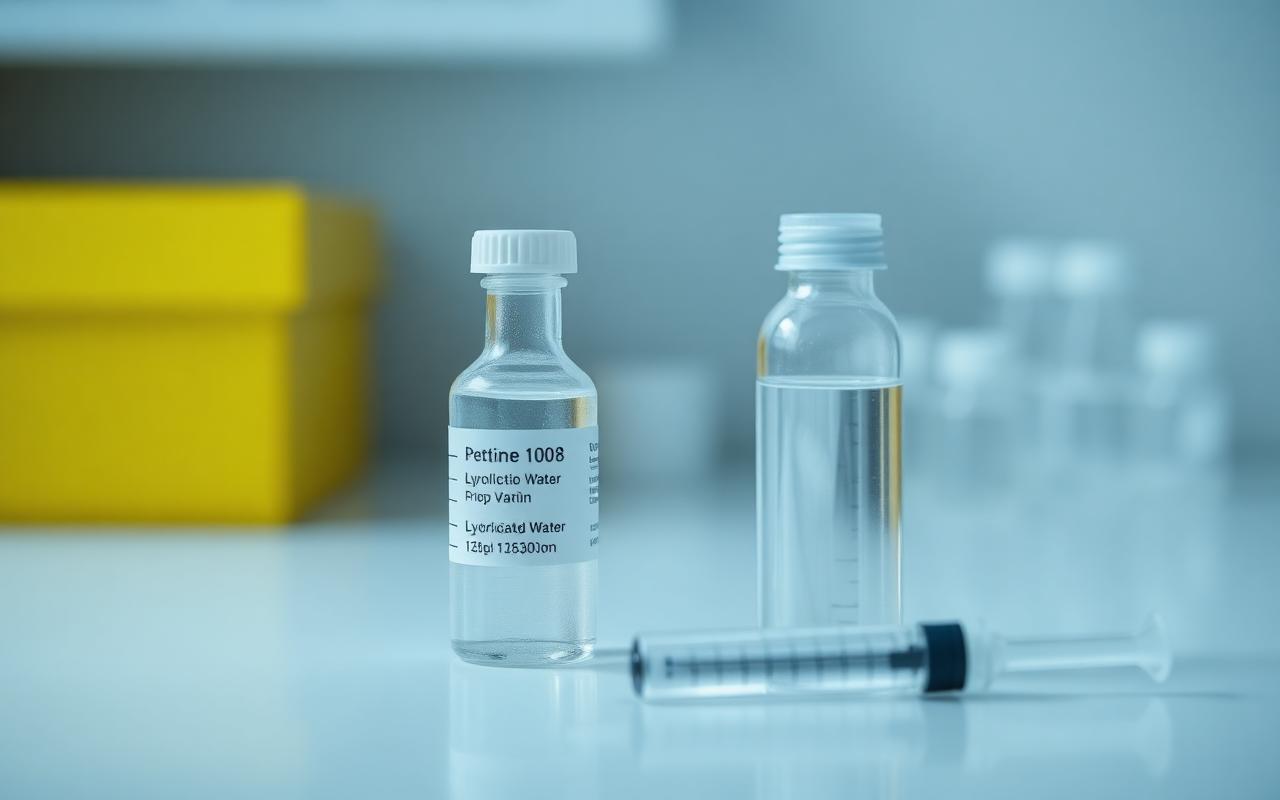
- •Bacteriostatic water (BAC water): sterile water with 0.9% benzyl alcohol that prevents bacterial growth
- •An insulin syringe with a fine-gauge needle
- •An alcohol swab
The rules:
- Let the lyophilized vial reach room temperature before opening
- Wipe both vial tops with alcohol
- Draw your BAC water slowly
- Inject the water down the side of the vial wall, not directly onto the powder. Direct streams can shear the peptide and reduce activity
- Do not shake. Swirl gently and let the peptide dissolve on its own (1-3 minutes for most peptides)
- Label the vial with the reconstitution date
How Much Water? The Concentration Question
There's no universal answer, but a common research convention is to mix concentrations that produce easy dosing volumes. Use the dosing calculator to work out the exact mL needed for your protocol.
A common starting point is 2 mL of BAC water per 5 mg vial, giving 2.5 mg/mL. From there, dose volumes follow standard syringe markings.
Storing Reconstituted Peptides
- •Refrigerate at 2-8°C immediately after mixing
- •Use within 28 days for most peptides
- •Do not freeze reconstituted peptides, freeze/thaw cycles damage peptide structure
- •Keep vials upright, away from the freezer compartment of the fridge
- •Discard if you see cloudiness, color change, or precipitate
Peptides That Are Especially Sensitive
Some peptides degrade faster once reconstituted:
- •Semaglutide and tirzepatide: refrigerate strictly, 28 days max
- •Retatrutide: same, plus extra care with light exposure
- •GHK-Cu: deep blue color must remain stable; fading suggests copper dissociation
- •Thymosin Alpha-1: very heat-sensitive
- •Growth hormone secretagogues (Ipamorelin/CJC): standard rules apply
Common Mistakes That Destroy Peptide Potency
- •Shaking the vial (mechanical shearing breaks bonds)
- •Reconstituting with tap water or saline (no preservative, fast bacterial growth)
- •Leaving on the counter "for a few hours"
- •Storing in the fridge door (temperature swings)
- •Freezing already-reconstituted peptides
- •Reusing the same syringe across vials (contamination)
Free BAC Water with Larger Orders
Enlife Peptides includes free bacteriostatic water with qualifying orders. Browse the shop or read our complete buyer's guide for sourcing tips.
Frequently Asked Questions
Can I use sterile water instead of bacteriostatic water?
For single-use research protocols, yes. For multi-dose vials used over weeks, BAC water is essential because the benzyl alcohol prevents bacterial contamination.
How long does reconstituted peptide last in the fridge?
Most peptides: 28 days. Some highly stable peptides last longer; some sensitive ones (like ACTH analogs) less. When in doubt, 28 days is the safe upper bound.
Can I freeze reconstituted peptides?
No. Freezing forms ice crystals that damage peptide structure. Freeze only lyophilized powder.
Why did my vial come with a vacuum seal?
Lyophilization is performed under vacuum, which is preserved in the vial. This is a quality indicator, broken seals can mean the powder was exposed to humidity.
*Disclaimer: All products referenced are intended strictly for in-vitro laboratory research and are not approved by the FDA for human consumption or therapeutic use.*
Disclaimer: This article is provided for scientific, research, and educational purposes only. It is not medical advice and is not intended to guide human or animal use of any substance. The compounds discussed are research materials, are not FDA-approved for human use, and are not for consumption. References are to published research and regulatory sources; consult a qualified professional for any health decision. See also our Editorial & Medical Disclaimer and Research Use Only Disclaimer.
Ready to Explore Peptides?
Browse our catalog or use the calculator for instant pricing.