How to Buy Research Peptides Safely (USA)
What to check before you order, purity certificates, third-party testing, vial labeling, and red flags that signal a shady supplier.
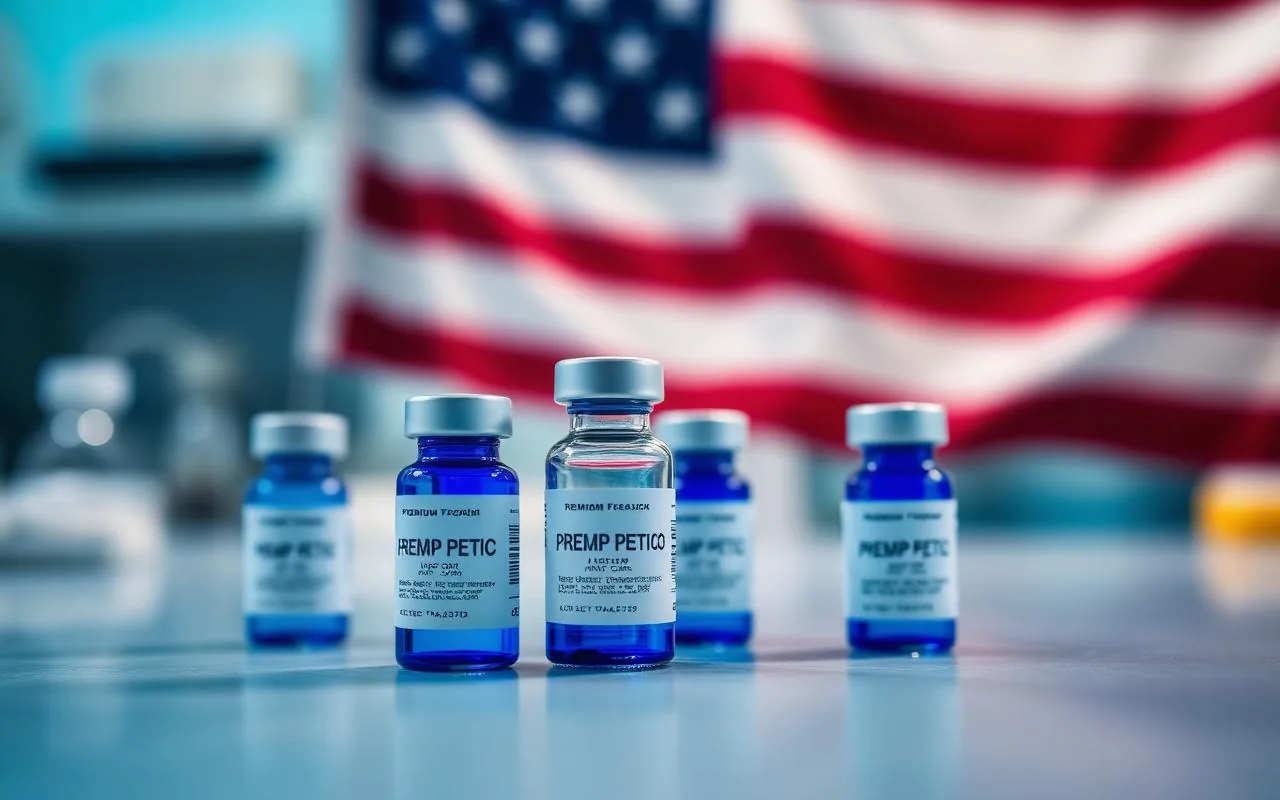
The research peptide market is full of suppliers. Some do real chemistry. Many do not. Here is the no-nonsense checklist serious labs use before placing an order.
1. Demand a Certificate of Analysis (COA)
A real COA includes:
- •Compound name and lot number
- •HPLC purity (target ≥98%)
- •Mass spectrometry confirmation of correct molecular weight
- •Date of analysis and analyst signature
If a vendor cannot produce one, walk away.
2. Look for Third-Party Verification
In-house COAs are useful, but independent third-party reports carry more weight. Reputable suppliers will share recent third-party data on request.
3. Inspect the Vial
- •Cake should be uniform, fluffy white or off-white.
- •No discoloration, no shrinkage, no residue on the stopper.
- •Label must show: compound name, lot number, weight, manufacturing date, storage conditions.
4. Check the Packaging
Cold-chain materials (ice packs, insulated boxes) signal a vendor that takes stability seriously. Loose vials in a padded envelope is a red flag.
5. Watch the Pricing
If a peptide is priced dramatically lower than the rest of the market, ask why. Underpurified or counterfeit material is the most common explanation.
6. Communication Standards
A real supplier responds to technical questions with technical answers. Vague answers, refusal to share documentation, or pressure tactics on pricing are all warning signs.
Red Flags Summary
- •No COA or vague "purity guaranteed" claims with no data.
- •Inconsistent vial labeling.
- •Prices well below market average.
- •No physical address or verifiable contact information.
- •Pushy upsells or "limited time" pressure.
Green Flags
- •HPLC and MS reports per lot.
- •Cold-chain shipping with tracking.
- •Clear research-only labeling.
- •Responsive technical support.
- •Transparent sourcing of raw material.
Your data is only as good as your peptide. Spend an extra ten minutes on verification, it will save you weeks of failed experiments.
Why Verification Matters More Than Brand Loyalty
The research peptide market has very low barriers to entry. A polished website, professional photography, and confident copy can be assembled in a weekend. Actual analytical chemistry, HPLC columns, mass spectrometers, qualified analysts, costs six figures and ongoing operational discipline. The gap between *appearing* legitimate and *being* legitimate is enormous, which is why this guide is built around evidence rather than reputation.
Anatomy of a Real Certificate of Analysis
A defensible COA contains, at minimum:
- Compound identity, full chemical name, sequence (for peptides), and CAS number where applicable.
- Lot or batch number that matches the vial label exactly.
- HPLC purity report with the chromatogram attached or referenced. Look for a single dominant peak, integration percentages, and retention time. A flat baseline with one tall peak is what you want.
- Mass spectrometry confirmation, observed m/z value matched against theoretical molecular weight. Discrepancies above 1 Da are a red flag.
- Net peptide content (if applicable). A vial labelled "10 mg" can contain 7 mg of peptide once you subtract counter-ions and residual water, reputable suppliers disclose this.
- Date of analysis within 12 months of the production date.
- Analyst signature or initials plus the testing lab's name and address.
Third-Party Testing Done Right
In-house analytics are useful but conflicted. The gold standard is independent third-party verification, where samples are pulled at random from a finished lot and shipped to an unaffiliated analytical lab. Reputable suppliers will name the third-party lab (Janoshik Analytical, KAL Laboratories, AgScientific, etc.) and share recent reports unprompted. If a supplier dodges the question, the answer is no.
Vial-Level Inspection Checklist
When the package arrives, inspect every vial before putting anything in the freezer:
- •Cake appearance. A correctly lyophilized peptide forms a uniform, fluffy, white-to-off-white cake adhered to the vial bottom. Yellowing, brown spots, partial collapse, or a "shrunken raisin" cake all indicate handling failure or degradation.
- •Stopper integrity. No residue, no shrinkage, no compromised crimp seal.
- •Glass clarity. Looking for hairline cracks, especially around the neck.
- •Label accuracy. Compound name, lot, weight, manufacturing date, storage instructions, and a "for research use only" disclaimer should all be present and legible.
- •Outer packaging. Cold-chain materials (gel packs frozen on arrival, insulated liner) for thermolabile compounds; tamper-evident seals on the box.
Pricing Signals That Don't Lie
Peptide synthesis costs scale with sequence length, modifications (PEGylation, fatty acid conjugation, cyclization), and purification stringency. A 39-amino-acid GLP-1 analog with a fatty-acid side chain is genuinely expensive to make. If a vendor is selling Tirzepatide at one-fifth the market average, the most likely explanations are: under-purified material, incorrect peptide content (counter-ions and water diluting the dose), or in the worst case, a different compound entirely. *Cheap* peptides almost always cost more in failed experiments than the savings on the invoice.
Communication Audit
Send a technical question and read the response carefully:
- •*"What is the net peptide content on lot X?"*
- •*"Can you share the third-party HPLC report from your last batch of Y?"*
- •*"What counter-ion is your peptide salt?"*
A real supplier answers in technical terms, attaches documentation, and does not pivot to upsells. Vague reassurance ("our quality is the best in the industry") in place of data is the single most common failure mode.
Storage and Cold-Chain Verification
For thermolabile peptides (most growth hormone secretagogues, GLP-1 analogs in solution, BPC-157 in solution), cold-chain is non-negotiable. Reputable suppliers use insulated boxes with sufficient gel pack mass for the transit window, ship early in the week, and provide tracking. If gel packs arrive at room temperature for a 4-day transit, the chain failed and the supplier should issue a replacement without argument.
Red Flags, Consolidated
- •No COA, or "purity guaranteed" language with no analytical data attached.
- •Inconsistent vial labelling between orders or within the same shipment.
- •Pricing well below the market floor for the compound class.
- •No physical address or business registration discoverable through public records.
- •Refusal to name the third-party analytical lab.
- •Pressure tactics, fake "limited time" pricing, or upsell-heavy communication.
- •No cold-chain materials for thermolabile compounds.
Green Flags, Consolidated
- •Per-lot HPLC and MS reports made available without friction.
- •Named third-party analytical lab with sample reports on the website.
- •Cold-chain shipping with tracking and clear handling instructions.
- •"Research use only" labelling and disclaimers.
- •Responsive technical support staffed by people who can talk chemistry.
- •Transparent sourcing of raw material and manufacturing geography.
- •Consistent vial appearance and labelling across orders.
A Practical Pre-Order Checklist
Before placing any order with a new supplier, confirm in writing that you can receive: (1) the most recent third-party COA for the specific compound; (2) net peptide content; (3) the supplier's storage and shipping protocol; (4) a returns policy in case the cake or chromatogram is unacceptable on arrival. If all four are forthcoming and the documentation looks clean, your downside is bounded. If any of them is met with friction, save your money.
The research peptide market rewards patience. Spend an extra ten minutes on verification and your data, and your downstream conclusions, will be defensible.
Frequently Asked Questions
What purity threshold should I require?
≥98% HPLC is the practical floor for reliable research work; ≥99% is preferred for sensitive assays.
Should the COA change between orders?
Yes. A COA is tied to a specific batch. If the batch number never changes, the supplier is likely reusing a single COA across unrelated stock.
How should peptides ship?
Lyophilized peptides are stable at ambient temperatures for the duration of standard shipping. Cold-chain packaging is not strictly required for the powder form, but reputable suppliers still use insulated packaging in summer months.
What are the biggest red flags?
No COA on request, generic COAs without batch numbers, missing mass-spec confirmation, dramatically underpriced product, and vendors that refuse to disclose the manufacturing origin.
Are research peptides legal to buy in the USA?
Peptides sold for laboratory research use only and labeled accordingly are legal to purchase. They are not approved by the FDA for human use.
Disclaimer: This article is provided for scientific, research, and educational purposes only. It is not medical advice and is not intended to guide human or animal use of any substance. The compounds discussed are research materials, are not FDA-approved for human use, and are not for consumption. References are to published research and regulatory sources; consult a qualified professional for any health decision. See also our Editorial & Medical Disclaimer and Research Use Only Disclaimer.
Ready to Explore Peptides?
Browse our catalog or use the calculator for instant pricing.