Peptide Reconstitution & Storage Guide
Step-by-step how to reconstitute lyophilized peptides, choose the right BAC water volume, and store vials to preserve potency.
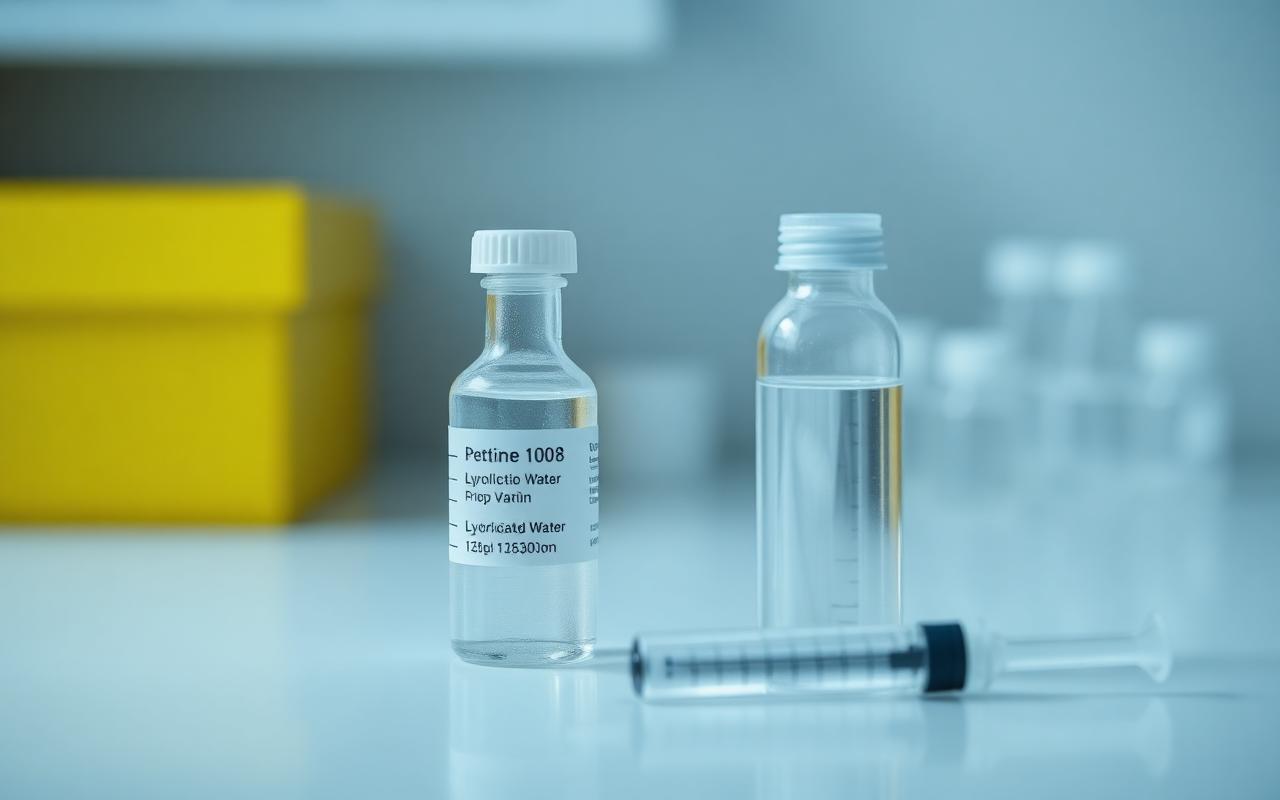
Lyophilized peptides are stable for years if handled correctly. Once reconstituted, the clock starts. This guide walks through the standard lab workflow used by researchers worldwide.
Step 1: Choose Your BAC Water Volume
Bacteriostatic water (0.9% benzyl alcohol) is the standard diluent for multi-dose research vials. The volume you add determines your final concentration.
- •2 mg vial + 2 ml BAC = 1 mg/ml (1000 mcg/ml)
- •5 mg vial + 2.5 ml BAC = 2 mg/ml
- •10 mg vial + 2 ml BAC = 5 mg/ml
Choose a volume that produces a concentration convenient for laboratory measurement and pipetting accuracy.
Step 2: Reconstitution Technique
- Wipe both vial stoppers with alcohol.
- Draw the BAC water into a sterile syringe.
- Inject slowly down the inside wall of the peptide vial, never directly onto the lyophilized cake.
- Swirl gently. Do not shake. Shaking shears delicate peptide bonds.
- Wait 1–3 minutes for the cake to dissolve fully.
A correctly reconstituted peptide is clear and colorless. Cloudiness or particulates indicate contamination or degradation.
Step 3: Storage Rules
| State | Temperature | Shelf Life |
|---|---|---|
| Lyophilized (sealed) | -20°C freezer | 24+ months |
| Lyophilized (sealed) | 2–8°C refrigerator | 12 months |
| Reconstituted | 2–8°C refrigerator | 30–60 days for most peptides |
| Reconstituted | -20°C freezer (single freeze) | Up to 90 days |
Avoid freeze-thaw cycles. Each cycle degrades peptide structure. If long-term storage is needed, aliquot into smaller vials before freezing.
Step 4: Light, Air, and Contamination
- •Keep vials in their original cardboard packaging or a dark container, UV light degrades peptide bonds.
- •Always use a fresh sterile needle for every withdrawal.
- •Never re-introduce a used needle to the BAC vial.
Special Cases
- •GLP-1 analogs (Semaglutide, Tirzepatide): Highly stable, refrigerate after reconstitution, good for 30+ days.
- •BPC-157: Slightly less stable in solution. Use within 30 days of reconstitution.
- •Melanotan II: Very stable. Long refrigerated shelf life.
- •TB-500: Stable, but aliquot if storing more than 4 weeks.
Common Mistakes
- Shaking the vial, shears the peptide.
- Using tap water or saline instead of BAC water, risks contamination.
- Storing reconstituted vials at room temperature, accelerates degradation.
- Reusing needles, primary cause of vial contamination.
Good handling preserves both potency and the integrity of your research data. Start with high-purity material, follow the workflow above, and you will get reproducible results from every vial.
Why Reconstitution Technique Determines Your Data
A peptide that arrives at 99% purity by HPLC can lose meaningful potency within hours if reconstituted incorrectly. The most common failure modes, shaking, using the wrong diluent, contaminating the cake, exposing the vial to UV light, all happen in the first ten minutes of handling. The technique below is what most research labs converge on after enough variability has been traced back to handling errors.
Choosing the Diluent
For multi-dose research vials, bacteriostatic water (0.9% benzyl alcohol, BAC water) is the standard. The benzyl alcohol prevents microbial growth across the typical 30-day in-use window. For single-use research, sterile water for injection works but offers no microbial protection once the vial is broached. Saline is *not* appropriate for most peptides because it can affect stability and produce precipitates with certain compounds.
Choosing the Volume
The volume added to the vial determines the final concentration, which in turn determines how easily the resulting solution can be measured with standard laboratory pipetting equipment.
| Vial size | BAC volume | Final concentration |
|---|---|---|
| 2 mg | 2 mL | 1 mg/mL (1000 µg/mL) |
| 5 mg | 2.5 mL | 2 mg/mL (2000 µg/mL) |
| 5 mg | 5 mL | 1 mg/mL |
| 10 mg | 2 mL | 5 mg/mL |
| 10 mg | 5 mL | 2 mg/mL |
Choose a volume that produces a concentration convenient for the laboratory measurement equipment in use.
The Reconstitution Procedure
- Wipe both vial stoppers (BAC water vial and peptide vial) with 70% isopropyl alcohol and let them dry briefly.
- Draw the chosen BAC water volume into a sterile syringe.
- Insert the needle through the peptide vial stopper at an angle so the tip is against the inside glass wall.
- Inject slowly down the wall, never directly onto the lyophilized cake. The cake will dissolve from the bottom up as it absorbs water.
- Withdraw the syringe.
- Swirl gently with a circular motion. Do not shake. Do not invert vigorously. Shaking produces shear forces that can break peptide bonds and create microbubbles that adsorb peptide.
- Wait 1–3 minutes. The cake should fully dissolve into a clear, colorless solution.
A correctly reconstituted peptide is clear and colorless. Cloudiness, particulates, color changes, or persistent foam are indicators of contamination, degradation, or excessive agitation.
Storage of Lyophilized (Pre-Reconstitution) Peptides
| State | Temperature | Practical shelf life |
|---|---|---|
| Sealed, lyophilized, in original packaging | -20°C freezer | 24+ months |
| Sealed, lyophilized | 2–8°C refrigerator | 12 months |
| Sealed, lyophilized | Room temperature, dark, sealed | 1–3 months for short-term storage |
Most research peptides ship lyophilized and can be stored at room temperature for short transit periods, but long-term storage should be at -20°C in the original packaging.
Storage of Reconstituted Peptides
Once water meets the cake, the stability clock starts:
| State | Temperature | Typical shelf life |
|---|---|---|
| Reconstituted | 2–8°C refrigerator | 30–60 days for most peptides |
| Reconstituted, single freeze-thaw | -20°C freezer | Up to 90 days |
| Reconstituted | Room temperature | Hours to days, avoid |
Avoiding Freeze-Thaw Cycles
Each freeze-thaw cycle damages peptide structure. If long-term storage of a reconstituted peptide is needed, the right approach is to aliquot before freezing. Use a sterile transfer to multiple smaller vials so that each thaw is a single-use event.
Light, Air, and Contamination
- •UV light degrades peptide bonds. Keep vials in original cardboard packaging or a dark container.
- •Air contact accelerates oxidation, especially for peptides with cysteine or methionine residues. Keep stoppers intact; do not leave vials open.
- •Use a fresh sterile needle for every withdrawal. The single most common contamination route is needle reuse.
- •Never re-introduce a used needle into the BAC water vial. Cross-contamination ruins the diluent and any future reconstitutions.
Compound-Specific Notes
- •Semaglutide and Tirzepatide, highly stable. Refrigerate after reconstitution; good for 30+ days. Avoid freeze-thaw.
- •BPC-157, slightly less stable in solution. Refrigerate; use within 30 days of reconstitution.
- •TB-500, stable. Refrigerate; aliquot if storing more than 4 weeks.
- •Melanotan II, very stable in solution. Long refrigerated shelf life.
- •GHK-Cu, sensitive to oxidation; minimize air exposure. Refrigerate.
- •Ipamorelin and CJC-1295, aliquot recommended if storing the full vial more than 4 weeks; both tolerate refrigeration well.
- •Epitalon, stable; refrigerate.
Common Mistakes That Ruin Vials
- Shaking the vial to dissolve the cake faster, shears the peptide.
- Using tap water, contact lens saline, or distilled water instead of BAC water, contamination risk.
- Storing reconstituted vials at room temperature "for convenience", accelerates degradation.
- Reusing needles between draws, the leading cause of vial contamination.
- Leaving the vial in direct light on a windowsill or counter, UV damage to peptide bonds.
- Repeated freeze-thaw cycles of the same vial, cumulative damage.
- Forgetting to label the reconstitution date on the vial, leads to using degraded material.
A Defensible Lab Workflow
- Receive the vial; check the COA, lot number, and packaging.
- Move directly to -20°C freezer for long-term storage.
- When ready to use, allow the vial to come to room temperature for 15–20 minutes (do not microwave, do not heat).
- Reconstitute using the procedure above.
- Label the reconstitution date on the vial.
- Store reconstituted at 2–8°C in original packaging or a dark container.
- Always use fresh sterile needles for each draw.
- Discard at the documented in-use shelf life even if the vial appears clear.
Good handling preserves both potency and the integrity of every downstream observation. Start with high-purity material, follow the workflow above, and your data will be reproducible.
Frequently Asked Questions
What water should I use to reconstitute?
Bacteriostatic water (0.9% benzyl alcohol) for multi-use vials refrigerated for days to weeks. Sterile water is acceptable only for single-use reconstitution.
How long is a reconstituted vial usable?
Typically 28 days refrigerated at 2–8 °C with bacteriostatic water, protected from light. Some peptides (BPC-157, TB-500) are reported stable up to 60 days; others (GLP-1 analogs) are commonly used within 30 days.
Can I freeze a reconstituted vial?
Freeze-thaw cycles degrade most peptides via aggregation. If a vial must be stored longer than 28 days, aliquot into single-use tubes and freeze once at −20 °C or below.
How do I calculate concentration?
mg/mL = vial mg ÷ mL of water added. See our peptide reconstitution calculator for automated math and units-per-dose conversions.
What if my peptide won't dissolve?
Swirl gently, never shake. If a peptide requires acidic or basic conditions to dissolve (rare), the COA or manufacturer will note it.
Disclaimer: This article is provided for scientific, research, and educational purposes only. It is not medical advice and is not intended to guide human or animal use of any substance. The compounds discussed are research materials, are not FDA-approved for human use, and are not for consumption. References are to published research and regulatory sources; consult a qualified professional for any health decision. See also our Editorial & Medical Disclaimer and Research Use Only Disclaimer.
Ready to Explore Peptides?
Browse our catalog or use the calculator for instant pricing.