Peptide Stability: Temperature & Shelf Life
Why lyophilized peptides last years at −20 °C but degrade in days at room temperature once reconstituted, Arrhenius kinetics, hydrolysis pathways and practical storage windows.
Peptides degrade through predictable chemistry. Understanding it lets you store research material correctly and trust your data.
The Two States of a Peptide
Lyophilized (freeze-dried): water content typically <2%. Hydrolysis is essentially halted. At −20 °C, most peptides remain >95% pure for 2–3 years. At −80 °C, often 5+ years.
Reconstituted in solution: water reactivates hydrolysis pathways. Stability collapses by orders of magnitude.
Primary Degradation Pathways
- Hydrolysis, cleavage at Asp-Pro and Asp-Gly bonds is the fastest. Accelerates roughly 2× per 10 °C (Arrhenius rule).
- Deamidation, Asn and Gln residues lose NH₂ groups, especially above pH 7.
- Oxidation, Met, Cys, Trp, Tyr, His are vulnerable. Light and dissolved oxygen accelerate it.
- Aggregation, hydrophobic peptides can stack into amyloid-like fibrils, especially at warm temperatures.
- Diketopiperazine formation, N-terminal cyclization, particularly when residue 1–2 is Pro or Gly.
Practical Storage Windows
| State | Temperature | Typical stability |
|---|---|---|
| Lyophilized | −80 °C | 5+ years |
| Lyophilized | −20 °C | 2–3 years |
| Lyophilized | 2–8 °C | 6–12 months |
| Lyophilized | 20–25 °C (RT) | weeks to a few months |
| Reconstituted in BAC water | 2–8 °C | 28–60 days (compound-dependent) |
| Reconstituted in sterile water | 2–8 °C | 7–14 days |
| Reconstituted | 20–25 °C | hours to days |
Why Bacteriostatic Water Matters
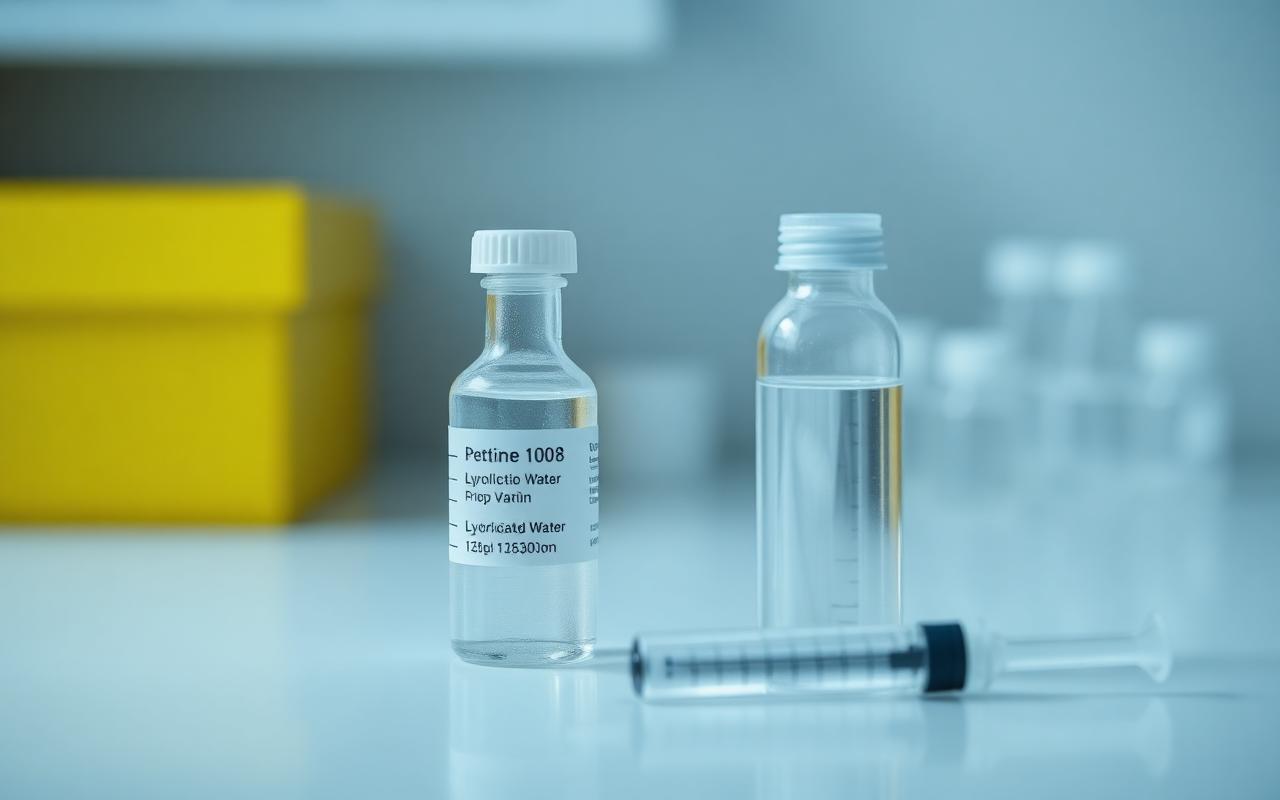
Bacteriostatic water (BAC water) is sterile water with 0.9% benzyl alcohol, which inhibits microbial growth. It does not stop chemical hydrolysis, but it dramatically extends usable life by preventing bacterial contamination of the vial during multi-day use. Plain sterile water exposes solutions to bacterial growth within 24 hours of first puncture.
Shipping Considerations
Lyophilized peptides tolerate 3–7 days at ambient temperature without measurable HPLC purity loss. Cold-pack shipping is best practice but not always essential. The critical factor is time at high temperature (>30 °C), even short excursions above 40 °C can be problematic for sensitive sequences.
Freeze-Thaw Cycles
Each freeze-thaw cycle introduces a small loss in purity, typically 0.5–2%, due to local pH shifts during ice formation. Aliquot reconstituted material into single-use volumes to avoid repeated cycling.
Compound-Specific Notes
- •GLP-1 analogs (semaglutide, tirzepatide): generally stable 28+ days refrigerated in BAC water.
- •BPC-157: relatively robust, but Asp-Gly bond means refrigerate after reconstitution.
- •TB-500: stable; tolerates short ambient excursions.
- •Melanotan II: light-sensitive, store in amber vials or wrap in foil.
- •GHK-Cu: oxidation-sensitive due to copper coordination, minimize air exposure.
Quick Decision Rule
If you will use a vial within 30 days, refrigerate after reconstitution with BAC water. If longer, aliquot and freeze at −20 °C in single-use portions.
Frequently Asked Questions
How long does a reconstituted peptide last in the fridge?
Most peptides reconstituted in bacteriostatic water remain usable for 28–60 days at 2–8 °C, depending on the sequence. In plain sterile water, 7–14 days is more realistic due to microbial risk.
Can I store lyophilized peptides at room temperature?
For short periods (weeks) yes. For long-term storage, −20 °C or colder is strongly preferred to prevent slow hydrolysis and oxidation.
What temperature destroys peptides fastest?
Anything above 30 °C accelerates degradation noticeably. Sustained exposure above 40 °C can cause measurable purity loss in days.
Disclaimer: This article is provided for scientific, research, and educational purposes only. It is not medical advice and is not intended to guide human or animal use of any substance. The compounds discussed are research materials, are not FDA-approved for human use, and are not for consumption. References are to published research and regulatory sources; consult a qualified professional for any health decision. See also our Editorial & Medical Disclaimer and Research Use Only Disclaimer.
Ready to Explore Peptides?
Browse our catalog or use the calculator for instant pricing.